
A well arranged battle belt IFAK can make emergency response smoother, quicker, and more organized. Proper placement of medical essentials helps reduce delays and improves accessibility during high pressure situations. A balanced setup also increases comfort, mobility, and confidence while carrying tactical gear for extended periods.
Prioritize Accessibility First
The most effective IFAK arrangement focuses on immediate access. Medical tools should be reachable with either hand to improve response time during emergencies.
Important placement tips include:
- Position the IFAK near the rear side of the belt for balanced access
- Avoid blocking magazine pouches or utility tools
- Keep frequently used items at the top section
- Use pull tabs for rapid opening
- Ensure the pouch can open fully without obstruction
Fast access matters more than carrying excessive supplies. A streamlined setup improves movement and prevents confusion.
Organize Supplies by Function
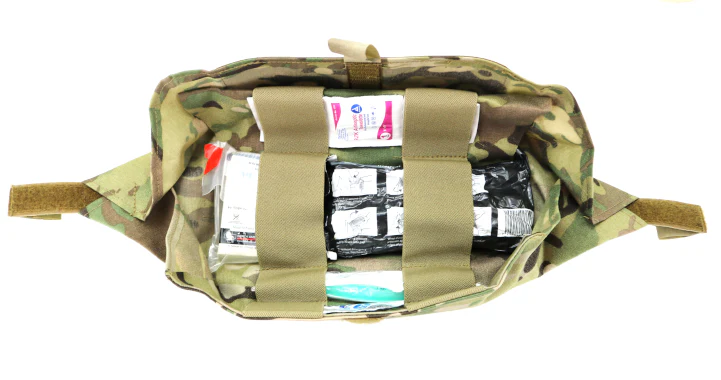
Separating supplies into categories creates a cleaner and more efficient layout. Organized gear allows faster identification during stressful situations.
Recommended Internal Arrangement
- Bleeding control items in one section
- Bandages and wraps grouped together
- Gloves stored in an outer compartment
- Trauma shears secured in an external holder
- Compact lighting tools placed near the opening
Using elastic loops or internal dividers helps prevent gear from shifting while moving.
Maintain a Low Profile Design
A bulky battle belt setup can reduce best ifak for battle belt comfort and restrict movement. Compact arrangements improve agility while still providing essential medical support.
Benefits of a Slim Configuration
- Easier movement in tight spaces
- Reduced belt shifting during activity
- Improved sitting and kneeling comfort
- Faster access without tangled equipment
- Better weight distribution across the waist
Minimalist layouts often perform better because every item has a clear purpose and location.
Use Smart Pouch Positioning
The location of the IFAK pouch affects overall efficiency. Strategic placement allows quick reach without interfering with other tactical equipment.
Common Effective Positions
- Slightly behind the support side hip
- Horizontal placement along the lower back
- Angled positioning for smoother access
- Offset placement to avoid pressure points
Testing several configurations during training helps identify the most comfortable and practical setup.
Keep Critical Items Easy To Identify
Color coded tabs, labeled compartments, and consistent item placement improve speed during emergencies. Muscle memory becomes stronger when the arrangement remains unchanged.
Helpful organization methods include:
- Storing tourniquets in visible exterior locations
- Folding bandages uniformly
- Using clear retention straps
- Separating sharp tools from soft medical items
- Keeping gloves near the pouch opening
Simple organization techniques can greatly improve efficiency under pressure.
Balance Comfort and Performance
An effective battle belt IFAK should feel secure without becoming distracting. Evenly distributed weight prevents fatigue and supports long term comfort.
Ways to Improve Comfort
- Adjust the belt for a snug fit
- Avoid overloading one side
- Use lightweight medical containers
- Secure loose straps to reduce movement
- Regularly inspect pouch retention systems
A stable setup supports better focus and smoother movement during demanding activities.
Train with the Arrangement Regularly
Practice is essential for maximizing the benefits of any IFAK setup. Repeated drills help build familiarity and confidence when reaching for medical gear.
Consistent training can help:
- Improve reaction speed
- Reduce hesitation during emergencies
- Identify weak pouch placements
- Refine item organization
- Build reliable access habits
An efficient battle belt IFAK arrangement combines smart organization, quick accessibility, and practical comfort. A carefully planned setup improves readiness while supporting faster and more confident emergency response.
