Business

A Guide to Concealed Fixing Systems for Floating Aluminum Mirror Frames

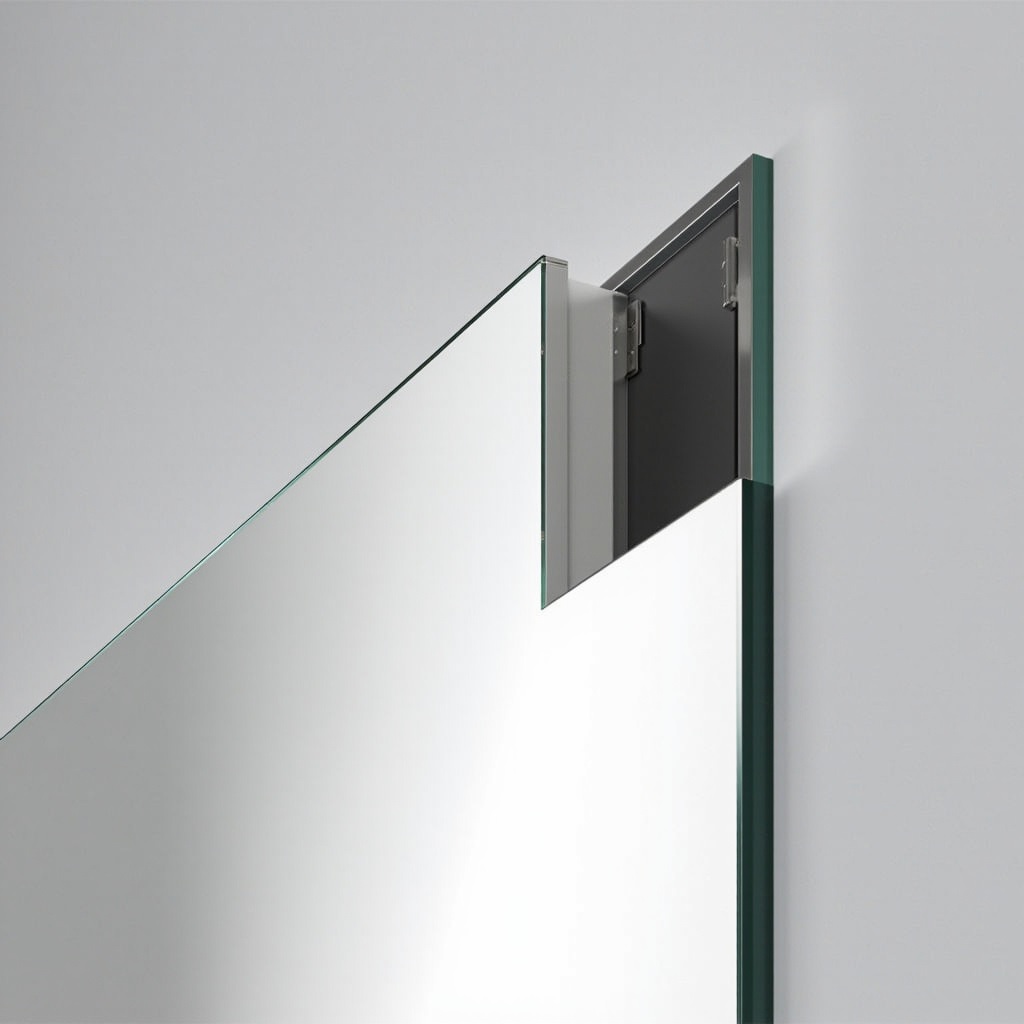
Aluminum Alloy Mirror FrameIf you’ve ever stood in front of a mirror that looked like it was floating in mid-air, you know the feeling. That clean, weightless illusion isn’t magic—it’s engineering. And the unsung hero behind that sleek look is the concealed fixing system. For aluminum mirror frames, these hidden brackets and clips are what separate a professional installation from a clunky, bolt-ridden eyesore. Let’s cut through the noise and talk about why this system matters, how it works, and why your next project absolutely needs it.

First, let’s address the elephant in the room: visible hardware is ugly. Screws, brackets, and mounting plates might be functional, but they ruin the minimalist aesthetic that floating mirrors are supposed to deliver. A concealed fixing system hides everything. The frame attaches to the wall through a series of discreet channels and locking mechanisms that sit behind the aluminum profile. From the front, all you see is a seamless, reflective surface that appears to hover an inch or two off the wall. That’s the payoff—pure visual clarity without the visual clutter.

But it’s not just about looks. These systems are built for strength. Aluminum Alloy Mirror Frame can still put serious stress on its mounts. A quality concealed fixing system distributes that weight evenly across multiple anchor points, reducing the risk of sagging or shifting over time. Think of it like a hidden skeleton. The frame locks into place with a satisfying click, and once it’s up, it’s not going anywhere. No wobbling, no gradual droop, no embarrassing mid-morning readjustment.

Installation is where the real advantage shines. Traditional mirror mounting often requires precise measurements, multiple drill holes, and a lot of praying that everything lines up. With a concealed system, you install the wall brackets first—usually a simple rail or series of plates—then slide the pre-assembled frame onto them. It’s like hanging a picture frame, but with the confidence of industrial-grade grip. Adjustments? Easy. Most systems allow for micro-level leveling after the frame is on the wall, so you can fix that one-degree tilt without tearing everything down.

Durability is another hidden perk. Exposed screws and brackets are vulnerable to corrosion, especially in bathrooms or humid environments. Aluminum frames paired with concealed fixings eliminate those weak points. The hardware is either stainless steel or coated to resist rust, and because it’s hidden, it’s never exposed to direct moisture or cleaning chemicals. Your mirror stays pristine, and the fixing system stays invisible and invincible.

For commercial spaces, this is a game-changer. Hotels, spas, and high-end retail rely on that “wow” factor. A floating mirror with concealed fixings screams luxury without screaming at all. It’s the kind of detail that guests notice subconsciously—they won’t know why the mirror looks so clean, but they’ll feel it. And for installers, it means fewer callbacks. No loose screws, no misaligned frames, no customer complaints about ugly brackets ruining the vibe.

Let’s talk about the actual mechanics. Most concealed systems use a combination of a wall-mounted track and a frame-mounted clip. The track is anchored into studs or heavy-duty drywall anchors. The clip slides into the track and locks with a spring-loaded or cam-action mechanism. Some systems even include a safety cable as a backup—just in case. The result is a connection that’s strong enough to hold a mirror that’s four feet wide or more, yet completely invisible from the front.

The bottom line? If you’re designing a space where every detail matters, concealed fixing systems are non-negotiable. They deliver the floating effect without compromise, the strength without the bulk, and the simplicity without the headache. Whether you’re a contractor looking to streamline your installs or a homeowner chasing that magazine-cover look, this is the solution that works behind the scenes so your mirror can take center stage.

Stop hiding your hardware in plain sight. Hide it for real. Your mirror—and your clients—will thank you.

Business

Metal Cards With Premium Materials: What’s Actually Possible (and What’s Just Hype)

Metal cards are one of those objects people think they understand… until they hold a good one. Then it clicks: weight isn’t just weight. Finish isn’t just “shiny.” And the difference between “premium” and “expensive” suddenly gets very measurable.

I’ve worked with enough prototypes to tell you this: a metal card is basically industrial design hiding inside a rectangle. Do it right and it becomes a tiny, daily ritual. Do it wrong and you’ve made a heavy, scratchy regret that looks great in a render.
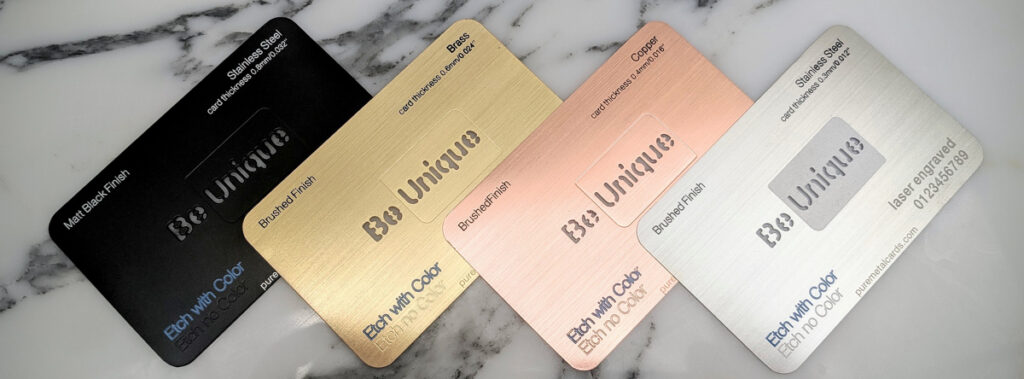
metal card design

 Metal card examples that prove the medium is bigger than the card

A metal card can be severe or playful, cold or warm, brutally minimal or decorative in a way that still feels disciplined. The material decides more than most people expect.

Titanium tends to feel like engineered restraint. Stainless steel is confidence with a mirror in its pocket. Aluminum is the sneaky one: it’s light, fast to iterate, and way more expressive once you stop treating it like the “budget metal.”

One line of truth:

You’re not selling metal. You’re selling the feeling of permanence.


 Premium isn’t a finish. It’s a system.

If you only change the material, you might get a nicer object. Premium comes when everything is tuned to match: substrate, coating, edge geometry, typography, and, boring but critical, quality control.

Here’s the framework I use when someone asks “what makes it premium?” For visual reference, reviewing real metal card examples can make the differences in finish, engraving, and edge treatment much easier to evaluate.

Tactility: grip, temperature, edge comfort, and the way the card exits a wallet

Durability stack: base metal + coating + how the mark is applied (print vs engrave vs inlay)

Legibility over time: will the type still read after 6 months of pockets and keys?

Sound and flex: yes, really. A stainless card “clicks” differently than aluminum

Manufacturing discipline: tolerances, repeatability, defect rate, and finish consistency across batches

Now, this won’t apply to everyone, but if your brand is “quiet luxury,” don’t pick a finish that screams fingerprint magnet. People don’t experience premium in a lab. They experience it at a bar, at reception, or half-asleep in an airport.


 Titanium vs stainless vs aluminum (the real differences, not brochure talk)


 Titanium

Titanium gets romanticized, but it earns the reputation. Strong, corrosion-resistant, relatively light for its strength. It feels “technical” in the hand, like it belongs in aerospace because… it does.

Downside: machining can be slower and fussier, and cosmetic consistency takes effort. Also, titanium can look a little flat if you don’t pair it with the right finish or contrast.


 Stainless steel

Stainless is the standard for a reason. It’s dense, it polishes beautifully, and it tolerates abuse. If you want a card that feels like it could survive a decade of bad decisions, stainless is your friend.

It can also feel clinical. That’s not always a negative. In finance and security contexts, “clinical” reads as trustworthy.


 Aluminum

Aluminum is the chameleon. Lightweight, excellent for anodizing, fast to prototype, and (in many cases) easier on cost. People dismiss it as less premium, but that’s mostly because they’ve only seen cheap executions.

If you lean into texture, color, and smart edge treatment, aluminum can look intentionally modern rather than “lightweight.”

A concrete sustainability angle, since it comes up fast: aluminum recycling is extremely energy-efficient compared to primary production, recycled aluminum can save ~95% of the energy versus producing new aluminum from bauxite (International Aluminium Institute, frequently cited statistic). That doesn’t make every aluminum card ethical by default, but it changes the conversation.


 Finishes: brush, mirror, satin (choose a personality)

Brush finish is the workhorse. It hides wear, it reads premium without shouting, and it plays nicely with etched or laser-marked graphics.

Mirror is a flex. It also shows everything: fingerprints, micro-scratches, bad handling, sloppy packaging. If you don’t have the process control to keep it perfect, don’t do it. I’ve seen mirror cards go from “wow” to “why” in a week.

Satin is the diplomat. Softer reflection, better comfort, less visual noise. If your card will be handled constantly, satin is often the grown-up choice.

Look, the finish isn’t just aesthetics; it’s maintenance disguised as branding.


 Personalization that doesn’t look like an afterthought

You’ve got three main lanes: etching, engraving, and inlay. They’re not interchangeable, even if they can look similar in photos.

Etching

Chemical or laser etching can produce fine lines and intricate patterns. Great for “circuit-like” detail, gradients, and delicate brand motifs. Depth is typically shallow, so you’re relying on contrast and finish to make it read.

Engraving

Engraving is commitment. It cuts into the metal, adds tactile depth, and tends to age well. If you want the card to feel like a tool or an heirloom object, engraving gets you there faster.

Inlay

Inlay is where things start to look expensive in a way people can’t quite explain. Contrast materials (enamel, resin, carbon fiber accents, even precious metal touches) create a layered effect: weight + color + depth. It’s also more complex to assemble and QA, so you pay for that elegance.

Opinion, from too many production meetings: inlay is the easiest way to make a card look premium, and the hardest way to keep yields high.


 Durable finishes that actually earn the word “durable”


 PVD coating

PVD (physical vapor deposition) gives you hard, thin coatings with rich color: black, gunmetal, gold tones, iridescent effects if you’re bold. It’s commonly used on watches for a reason. Done well, it resists wear far better than basic plating.

Done poorly, it chips at edges. And edge chipping is the kind of defect customers remember.


 Anodizing

Anodizing is mostly an aluminum play. It’s not paint; it’s an electrochemical process that thickens the oxide layer, and that layer can be dyed. The best anodizing looks like the color is inside the metal rather than sitting on top.

It can still scratch, though, and deep scratches reveal base metal. So you design around that reality, texture helps.


 Hard coatings / clear coats

Hard coats can protect graphics and reduce micro-scratching. They can also mute the “metal-ness” if you overdo thickness or gloss. That trade-off is real, and it’s usually decided by the first prototype people handle.

One-line warning:

If your durability story depends on a coating, your edge design matters as much as your coating.


 Form and feel: weight, balance, longevity (the stuff you can’t fake)

The human hand is a brutally honest sensor. It notices imbalance. It notices sharp corners. It notices when the card catches fabric on the way in and out.

A few design levers that punch above their weight:

Edge chamfer or radius: tiny changes here can turn “premium” into “pocket-friendly”

Thickness: too thin feels cheap; too thick feels gimmicky (and can jam wallets)

Center of gravity: especially with cutouts or multi-material builds

Texture placement: grip where fingers naturally land, not where it looks cool in CAD

Also: metal allergy is a real constraint. Some people react to nickel in certain alloys and finishes. If you’re building at scale, you plan for this early instead of discovering it through angry customer support tickets.


 Branding on metal: typography, layout, and die-cuts (aka don’t ruin it with bad type)

Typography on metal isn’t graphic design; it’s industrial marking. Depth, stroke width, and reflectivity all change legibility.

I tend to push clients toward:

High-contrast sans for laser marks and shallow etches

Moderate weight (hairlines disappear under glare)

Spacing that breathes because metal reflection visually “fills in” tight counters

Die-cut shapes are fun. They’re also a manufacturing and durability decision. Cutouts can weaken the card, snag in wallets, and create coating stress at corners. If you do it, do it with intent: make the geometry part of the brand language, not a novelty window.


 When metal cards make sense (and when they’re just expensive noise)

Corporate gifting: strong fit, because the card becomes a durable reminder. Pair it with a thoughtful message and packaging that doesn’t scream landfill.

VIP membership: metal is practically a cheat code. The moment of handoff is the product. Don’t waste it with generic artwork.

Payment cards: different rules. You need durability, compliance, and consistent machinability. The premium moment repeats daily, which means wear patterns matter more than unboxing drama.

Here’s the thing: metal cards work best when the experience is repeated. If the card is seen once and forgotten, you’ve bought a trophy, not a tool.


 Production realities (where dreams meet tolerances)


 Milling tolerances in real life

Milling is where “close enough” becomes visible. Tool wear, feed rate, and material hardness all change edge fidelity and surface quality. And tiny deviations compound: a slight misalignment plus coating thickness plus assembly tolerance can turn into a card that feels off even if it passes inspection.

I’ve seen brands chase exotic shapes when they really needed:

– better deburring

– more consistent chamfering

– tighter QC on flatness

Sexy problems are rarely the real problems.


 Printing methods and finishes: turning a card into a tactile conversation

Printing on metal can be gorgeous or tragic. You’re balancing adhesion, abrasion resistance, and contrast against a surface that reflects light like it’s trying to sabotage your design.

Common approaches:

UV printing: flexible for color and gradients; can wear if unprotected

Screen printing: strong, consistent, good for bold marks; limited in fine detail

Laser marking: durable, crisp; limited to tonal contrast unless combined with fills

Enamel fills over engraving: high-end look, tactile depth, slower production

Pairing print with a protective clear coat can help, but it can also flatten the tactile feel. That’s the push-pull: protection versus “raw metal honesty.”


 A practical way to choose (because theory is cheap)

Prototype small variations. Two finishes. Two edge treatments. One typography change. Then handle them like a normal person for a week: pocket, wallet, desk, keys nearby (unfortunately realistic). The best choice usually stops being a debate and starts feeling obvious.

Premium is rarely the loudest option.

It’s the one that survives contact with real life and still feels intentional.
Business

Yacht Rental Solutions for Elegant Ocean Celebrations

Ocean celebrations create unforgettable memories filled with beauty, comfort, and joyful moments. A yacht rental offers a refined setting for special gatherings, combining scenic water views with stylish surroundings. Whether planning a private party, anniversary event, family reunion, or festive evening with friends, a yacht provides an exceptional atmosphere that feels both relaxing and luxurious.

Why Yacht Celebrations Feel Special

Hosting an event on the water adds charm and sophistication to every occasion. Gentle waves, fresh sea air, and elegant interiors create a peaceful environment that guests truly enjoy.

Popular Reasons People Choose Yacht Rentals

  • Private and comfortable celebration spaces
  • Beautiful sunset and ocean views
  • Relaxing atmosphere away from crowded venues
  • Stylish dining and entertainment areas
  • Flexible options for daytime or evening events
  • Memorable experiences for guests of all ages

Yacht celebrations can be designed for both intimate gatherings and larger social occasions. The calm setting encourages meaningful conversations, cheerful entertainment, and unforgettable photographs.

Elegant Features That Enhance the Experience

Premium Yacht

Modern yacht rental solutions often include carefully designed features that elevate comfort and convenience. Guests can enjoy spacious lounges, open-air decks, elegant seating arrangements, and relaxing dining areas.

Common Luxury Amenities

  • Comfortable indoor lounges
  • Spacious viewing decks
  • Decorative lighting for evening events
  • Gourmet dining arrangements
  • Music and entertainment spaces
  • Relaxing seating for social gatherings
  • Private areas for quiet moments

These thoughtful additions help create a smooth and enjoyable celebration from beginning to end.

Perfect Events for Ocean Celebrations

Yachts are suitable for many different occasions because they combine elegance with flexibility. The unique environment transforms ordinary events into extraordinary experiences.

Popular Celebration Ideas

  • Romantic anniversary dinners
  • Birthday gatherings with family and friends
  • Engagement celebrations
  • Elegant holiday parties
  • Small wedding receptions
  • Graduation celebrations
  • Corporate appreciation events

The peaceful surroundings help guests feel yacht proposal relaxed while still enjoying a sophisticated event atmosphere.

Tips for Planning a Stylish Yacht Celebration

Careful planning can make the event even more enjoyable. Choosing the right décor, entertainment, and schedule helps create a smooth celebration filled with comfort and elegance.

Helpful Planning Suggestions

  • Select soft decorative themes for a refined look
  • Plan evening lighting for a warm atmosphere
  • Arrange comfortable seating for guests
  • Choose refreshing food and beverages
  • Include music that matches the celebration mood
  • Schedule time for scenic photography
  • Keep the event timeline relaxed and flexible

These simple details can greatly improve the overall experience for everyone on board.

Creating Lasting Memories on the Water

An ocean celebration offers more than entertainment. It creates meaningful moments surrounded by natural beauty and peaceful surroundings. Guests often remember the relaxing atmosphere, elegant setting, and joyful conversations long after the event ends. Yacht rental solutions continue to grow in popularity because they combine luxury, comfort, and unforgettable scenery in one experience. From stylish décor to calming ocean views, every detail contributes to a celebration filled with elegance and happiness. For anyone seeking a refined and memorable event, a yacht celebration provides the perfect blend of relaxation, beauty, and sophistication.

Business

High-Performance HIP เครื่องสแกนนิ้ว Support Multi-Factor Authentication Systems

High-performance HIP scanners play a valuable role in modern multi-factor authentication systems by improving identity verification, reducing unauthorized access, and supporting smooth user experiences. These scanners are designed to process information quickly while maintaining strong accuracy, making them a reliable addition to secure authentication workflows. Organizations across many industries rely on advanced scanning solutions to strengthen digital protection and improve operational efficiency without creating delays for users.

Key Advantages of HIP Scanners

Modern HIP scanners deliver several important benefits that support secure authentication environments:

  • Fast identity verification with minimal waiting time
  • Accurate data capture for dependable authentication
  • Reduced risk of unauthorized system access
  • Smooth integration with layered security methods
  • Enhanced user convenience during login processes
  • Reliable performance during high-volume authentication requests
  • Improved consistency across multiple access points
  • Better support for secure remote authentication activities

These advantages help create a dependable authentication framework that balances security and accessibility. Smart offices prefer เครื่องสแกนหน้า HIP to ensure seamless employee recognition and enhance overall security management efficiency continuously.

Improved Multi-Factor Authentication Performance

Multi-factor authentication systems rely on multiple verification steps to confirm user identity. High-performance HIP scanners strengthen these systems by capturing and validating information rapidly and accurately. Their advanced processing capabilities help maintain smooth access experiences while supporting strict security standards.

Several features contribute to stronger authentication performance:

Faster Verification Workflows

Quick scanning and processing reduce delays during login procedures. Users can complete authentication steps efficiently, helping maintain productivity and satisfaction.

Higher Accuracy Levels

Accurate information capture minimizes authentication errors and supports dependable identity confirmation. This helps reduce repeated login attempts and improves overall system reliability.

Enhanced Security Layers

HIP scanners support layered authentication methods by working alongside additional verification tools. This creates stronger protection against unauthorized access attempts and improves confidence in secure environments.

Benefits for Operational Efficiency

Efficient authentication systems are essential for maintaining streamlined operations. High-performance HIP scanners help reduce manual verification tasks and support automated access control procedures. Their speed and consistency improve workflow efficiency while maintaining strong security standards.

Additional operational benefits include:

  • Lower administrative workload during user verification
  • Reduced authentication bottlenecks during peak usage periods
  • Consistent access management across different departments
  • Scalable performance for expanding security requirements
  • Better monitoring and reporting capabilities for authentication activities

These capabilities also encourage smoother collaboration, stronger compliance support, and improved user trust across secure environments.

Supporting Future Security Needs

Security requirements continue to evolve as digital environments expand. High-performance HIP scanners support long-term authentication strategies by offering flexible, scalable, and dependable performance. Their ability to handle increasing verification demands makes them a valuable component in advanced security infrastructures.

Strong authentication systems require reliable tools that combine speed, precision, and convenience. High-performance HIP scanners support these goals by improving authentication efficiency, strengthening protection measures, and enhancing user confidence. Their positive impact on multi-factor authentication systems continues to support secure access management and dependable digital security operations.

Business

Advanced Digital Commerce Systems Designed For Speed and Scalability

Advanced digital commerce systems designed for speed and scalability represent a new standard in modern online operations. These systems are built to handle growing user demands, ensure rapid response times, and deliver seamless experiences across all touchpoints. By combining flexible architecture with intelligent data handling, they enable businesses to operate efficiently even under heavy workloads. The focus is on eliminating delays, optimizing workflows, and maintaining consistent performance. As digital expectations continue to rise, such systems provide a strong foundation for delivering reliable, high-quality commerce experiences at every interaction point.

Core Architecture for Speed

At the heart of advanced digital commerce systems lies a streamlined architecture optimized for fast processing and minimal latency. This structure prioritizes efficient routing, distributed workloads, and responsive data exchange. The design ensures that every transaction is handled with precision and minimal delay.

  • streamlined processing pathways
  • reduced latency mechanisms
  • efficient request handling
  • optimized data flow
  • responsive transaction execution

Scalability Foundations

Scalability is achieved through adaptive infrastructure that expands seamlessly with demand. These systems are designed to support increasing traffic, complex operations, and growing data volumes without compromising performance. Through modular components and flexible resource allocation, they maintain stability and responsiveness even during peak usage periods. This ensures consistent service delivery and long-term operational strength. Professional agencies provide expert guidance for δημιουργία ηλεκτρονικού καταστήματος helping businesses establish efficient and scalable e-commerce operations globally successfully.

Performance Optimization Layers

Multiple optimization layers work together to enhance system responsiveness and efficiency. These layers manage caching, load distribution, and intelligent routing of requests to ensure minimal delays. By continuously monitoring performance indicators, the system adjusts dynamically to maintain optimal output. This layered approach improves reliability and ensures smooth user interactions across all functions.

Intelligent Automation Benefits

Intelligent automation plays a key role in enhancing speed, accuracy, and operational efficiency. By reducing manual intervention, it streamlines processes and enables faster decision-making. Automated workflows ensure consistency and reduce errors, leading to more reliable outcomes. These systems also adapt to changing conditions, improving overall responsiveness and user satisfaction.

Advanced digital commerce systems represent a powerful evolution in how online operations are managed and optimized. Their emphasis on speed ensures that users experience fast interactions, smooth navigation, and quick transaction handling. At the same time, scalability allows these systems to grow effortlessly alongside increasing demand, maintaining stability and performance under varying conditions. The integration of intelligent optimization techniques, modular architecture, and automated processes creates a highly efficient environment where resources are used effectively and consistently.

These systems support seamless operations by reducing delays, improving responsiveness, and enhancing overall reliability. Businesses benefit from improved operational flow, better user engagement, and the ability to handle complex workloads with ease. As digital expectations continue to grow, these systems provide a dependable foundation for sustained success, ensuring that performance remains strong while adapting to evolving needs. The combination of flexibility, efficiency, and intelligent design makes them essential for modern digital commerce ecosystems seeking long-term excellence driving continuous improvement and exceptional digital experiences across all interactions at scale with confidence

Business

Provide Multilingual Support For Global Online Plant Retailers

In today’s digital marketplace, online plant retailers are expanding their reach across borders, connecting with customers from diverse linguistic and cultural backgrounds. To create a seamless shopping experience for international audiences, providing multilingual support has become a crucial strategy. By offering language options and culturally tailored content, online plant retailers can enhance customer engagement, boost sales, and foster loyalty among a global clientele. Online plant retailers can simplify product presentation by connecting their systems to a scalable Plant photo api.

Multilingual support goes beyond simple translation. It includes adapting product descriptions, care instructions, customer service, and marketing messages to resonate with users in different regions. This approach ensures that all customers, regardless of language, feel valued and confident in their purchases.

Benefits of Multilingual Support

Plant Data

Integrating multilingual capabilities into an online plant retail platform offers several positive outcomes:

  • Enhanced customer experience: Customers can navigate the website and make purchases in their preferred language.
  • Increased trust and credibility: Clear communication reduces confusion and fosters confidence in the brand.
  • Broader market reach: Businesses can target international audiences and tap into new markets.
  • Higher conversion rates: Localized content improves understanding and encourages purchase decisions.
  • Improved customer loyalty: Personalized support and culturally relevant content create stronger connections.

These benefits illustrate how multilingual support can significantly improve both sales performance and brand reputation for global plant retailers.

Key Areas for Multilingual Integration

To maximize the impact of multilingual support, online plant retailers should consider these key areas:

  • Website content: Translate product names, descriptions, and care instructions accurately.
  • Customer support: Offer live chat, email, and FAQ sections in multiple languages.
  • Marketing materials: Localize newsletters, social media posts, and promotional campaigns.
  • Payment and checkout process: Ensure all forms, instructions, and confirmation messages are understandable in each supported language.
  • Mobile app interfaces: Provide language options within app navigation and notifications.

Focusing on these areas ensures that the multilingual strategy is comprehensive and effective.

Best Practices for Effective Multilingual Support

Successful global plant retailers implement multilingual support thoughtfully, combining technology with cultural awareness. Best practices include:

  • Professional translations: Avoid automated translations alone; human expertise ensures accuracy and cultural relevance.
  • Localized SEO: Optimize content for search engines in each language to increase visibility.
  • Consistent updates: Keep translations aligned with new products, promotions, and content changes.
  • User testing: Gather feedback from native speakers to identify and correct potential issues.
  • Integration with AI tools: Use AI-driven tools to enhance translation efficiency while maintaining quality.

These strategies ensure a seamless and enjoyable shopping experience for international customers.

Positive Impact on Global Growth

Providing multilingual support empowers online plant retailers to build meaningful relationships with a worldwide audience. Customers feel respected and valued, resulting in higher engagement, repeat purchases, and positive reviews. Moreover, businesses gain a competitive edge by differentiating themselves through superior customer communication and culturally sensitive content.

Conclusion

For global online plant retailers, multilingual support is not just a feature it is a strategic advantage. By offering accurate translations, culturally tailored content, and responsive customer service, retailers can connect with diverse audiences, increase sales, and cultivate long-term loyalty. Implementing multilingual capabilities ensures a welcoming, convenient, and positive experience for plant enthusiasts around the world, driving both growth and global recognition.

Business

Business Listings That Connect The Right People

In today’s fast-moving digital environment, business listings play a powerful role in connecting the right people at the right time. These platforms act as trusted bridges between customers seeking reliable services and businesses looking to reach audiences who genuinely need their offerings. A well-structured business listing environment removes confusion, builds clarity, and creates meaningful connections that benefit both sides. With accurate information, verified details, and intuitive navigation, modern business listings transform how people discover professional solutions efficiently and confidently. Reliable sharing of experiences strengthens the overall engagement within 부달.

How Business Listings Create Meaningful Connections

Business listings are designed to simplify decision-making by presenting relevant options in one organized space. Instead of searching across multiple sources, users gain access to curated information that supports smarter choices and faster connections. These platforms focus on quality, relevance, and transparency, which naturally attract users with genuine intent. Key advantages include:

Business Discovery

  • Clear business descriptions that help users understand services quickly
  • Categorized listings that match users with relevant industries
  • Verified details that enhance credibility and trust
  • Updated contact information for seamless communication
  • Search-friendly structures that improve discoverability

By aligning user needs with accurate business data, listings eliminate guesswork and encourage confident engagement. This targeted approach ensures that businesses connect with audiences who are already interested, resulting in more meaningful interactions and stronger professional relationships.

Benefits For Businesses And Customers Alike

For businesses, being part of a reliable listing network increases visibility while maintaining quality exposure. These platforms attract users who are actively searching, making every connection more valuable. For customers, business listings offer reassurance and convenience, helping them save time while avoiding unreliable options. Key benefits include:

  • Improved visibility for businesses within relevant markets
  • Higher engagement from users with real intent
  • Increased trust through structured and consistent information
  • Time-saving discovery for customers
  • Long-term relationship building through positive experiences

This balanced ecosystem creates a win-win situation where businesses grow organically and customers feel empowered to make informed decisions.

The Future Of People-Centered Business Discovery

As digital discovery continues to evolve, business listings remain essential tools for connecting people through purpose-driven search experiences. Their focus on accuracy, accessibility, and user satisfaction ensures they remain relevant across industries. With generative optimization strategies, these platforms adapt to changing search behaviors while maintaining clarity and trust. By prioritizing genuine connections over volume, business listings continue to bring the right people together, fostering growth, confidence, and lasting value in the professional landscape.

Business

Secure Address Collection Encourages Platform Credibility

In today’s digital economy, trust is the foundation of every successful platform. Users expect their personal information to be handled responsibly, especially when it comes to address collection. A secure address collection process not only protects users but also strengthens platform credibility, improves engagement, and drives long-term growth. When platforms prioritize data security and transparency, they create a reliable environment where users feel confident and valued.

Why Secure Address Collection Matters

Address information plays a crucial role in many online services, from product delivery to identity verification. Because it is sensitive data, users want reassurance that their information is protected and find more information on linklink10.com. Secure address collection demonstrates professionalism and commitment to privacy.

Key reasons secure collection enhances credibility:

  • Builds user trust: Clear privacy practices and secure systems reassure users that their data is safe.
  • Encourages repeat engagement: Users are more likely to return when they feel confident about data protection.
  • Strengthens brand reputation: A secure approach signals responsibility and reliability.
  • Supports regulatory compliance: Adhering to data protection standards reflects ethical operations.

When users trust a platform with their personal details, they are more willing to complete transactions and share accurate information.

Core Elements of a Secure Address Collection System

A well-designed address collection system incorporates advanced security features and transparent communication. By integrating best practices, platforms demonstrate their commitment to safeguarding user data.

Essential components include:

  • Data encryption: Protects address information during transmission and storage.
  • Secure authentication protocols: Ensures only authorized access to sensitive data.
  • Minimal data collection: Collects only what is necessary, reducing exposure risk.
  • Clear consent mechanisms: Informs users how their data will be used.
  • Regular security audits: Identifies and addresses potential vulnerabilities.

These measures create a seamless and secure experience that enhances overall platform credibility.

Enhancing User Experience Through Transparency

Security alone is not enough; communication plays an equally important role. Transparent messaging about how address data is handled increases user confidence. When platforms clearly explain their privacy practices, users feel empowered and respected.

Effective strategies include:

  • Simple privacy summaries: Easy-to-understand explanations of data use.
  • Visible security indicators: Reassuring symbols that highlight protection measures.
  • User control options: Allowing users to update or manage their address details easily.
  • Responsive support channels: Providing prompt assistance for privacy-related questions.

By prioritizing transparency, platforms transform security from a technical feature into a trust-building advantage.

Long-Term Benefits for Platform Growth

Secure 링크모음 does more than protect data it fuels sustainable growth. Credible platforms attract loyal users, foster positive reviews, and benefit from word-of-mouth recommendations. Over time, this trust translates into higher retention rates and improved conversion performance.

Additional long-term advantages include:

  • Reduced operational risks
  • Higher data accuracy
  • Improved customer satisfaction
  • Stronger competitive positioning

When security is embedded into the foundation of address collection, credibility naturally follows. Platforms that consistently protect user information demonstrate leadership and integrity. By investing in secure systems and transparent practices, organizations create a positive digital environment where users feel confident sharing their details.

Business

On demand storage services adapting to immediate business needs

Business conditions can change quickly. Sudden increases in inventory, unexpected delays, or short term projects often create an immediate need for extra space. On demand storage services are designed to respond to these situations without long commitments or complicated setup. They give businesses the ability to secure storage exactly when it is needed and release it just as easily when conditions stabilize.

Many companies rely on on-demand storage when flexibility matters more than long term planning. Instead of forecasting months ahead, businesses can react in real time. This responsiveness helps prevent overcrowding, rushed decisions, and operational slowdowns. On demand storage turns storage capacity into a responsive tool rather than a fixed limitation.

Pay as you go access

Pay as you go access allows businesses to use storage only when required. There is no obligation to maintain unused space during slower periods. This approach aligns costs directly with activity levels, making budgeting simpler and more accurate.

Pay as you go access supports

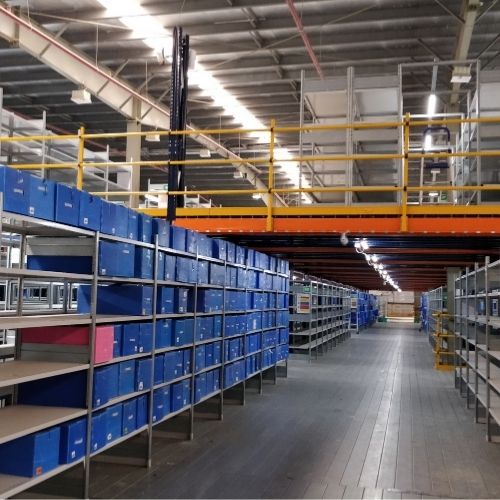
Fulfillment center

  • short duration inventory needs
  • cost control during uncertain periods
  • efficient use of storage budgets
  • reduced financial risk

When businesses pay only for what they use, storage remains practical and sustainable.

Quick space fulfillment

Speed is essential when storage needs arise suddenly. On demand services prioritize quick space fulfillment so inventory can be moved immediately. Fast access prevents delays that could disrupt fulfillment or distribution schedules.

Quick fulfillment also reduces pressure on internal teams. Instead of improvising temporary solutions, inventory is placed into proper storage without delay. This keeps workflows organized even during unexpected volume spikes.

Rapid access to space helps maintain operational momentum.

Flexible term durations

On demand storage is built around flexibility. Storage terms can be adjusted based on how long space is actually needed. Whether inventory stays for days or weeks, businesses are not locked into fixed durations.

Flexible terms allow storage plans to change alongside operational needs. If inventory moves faster than expected, space can be released early. If delays occur, storage can be extended without disruption.

This adaptability supports confident decision making during uncertain conditions.

Smart resource allocation

On demand storage encourages smarter use of resources. Inventory is placed strategically to avoid overcrowding active areas. Space is allocated where it adds the most value rather than being spread inefficiently.

Smart allocation improves

  • access to high priority inventory
  • safety within primary facilities
  • overall space utilization
  • efficiency of daily operations

When resources are allocated thoughtfully, storage supports productivity rather than slowing it down.

Supporting rapid operational shifts

Businesses often need to pivot quickly. New orders, supply disruptions, or sudden demand changes require immediate action. On demand storage supports these shifts by providing space without long setup times.

This support allows teams to focus on solving business challenges instead of worrying about storage capacity. Storage adapts as operations evolve, keeping systems stable even during rapid change.

On demand storage services adapt to immediate business needs by offering speed, flexibility, and cost control. With pay as you go access, fast space fulfillment, flexible terms, smart allocation, and support for rapid shifts, businesses gain agility without sacrificing organization. When storage responds instantly to change, operations remain steady, efficient, and prepared for whatever comes next.

Business

Why Segmentation Is Key to Successful Online Advertising Campaigns Today

Online advertising has become an essential part of digital marketing strategies, but for campaigns to truly resonate, they need to be strategically targeted. This is where segmentation plays a vital role. By dividing audiences into specific groups based on shared characteristics, businesses can tailor their messaging for maximum impact. Below, we will explore why segmentation is crucial to successful online advertising campaigns today.

What is Audience Segmentation?

Audience segmentation refers to the process of breaking down a broad audience into smaller, more targeted groups based on factors like demographics, behavior, interests, and geographic location. This allows marketers to craft personalized messages that speak directly to each segment, improving engagement and conversion rates. A high-quality website strengthens credibility and ensures visitors feel confident interacting with the brand online.

Key Benefits of Segmentation in Online Advertising

  1. Improved Targeting and Relevance
    • When advertisers use segmentation, they can target specific groups with messages that are highly relevant to them. Instead of sending generic ads to a broad audience, businesses can tailor their campaigns to meet the unique needs of each segment.
    • Example: A fitness brand can send different ads to users interested in yoga versus those focused on weight training.
  2. Better ROI on Ad Spend
    • Effective segmentation ensures that ads are shown to the most likely buyers, increasing the likelihood of conversions. By targeting specific segments rather than casting a wide net, businesses can allocate resources more effectively, reducing wasted ad spend.
    • Example: Advertising to individuals who have previously shown interest in your product or service, rather than casting ads to a broader audience.
  3. Enhanced Customer Experience
    • When audiences see ads that align with their interests and needs, their overall experience improves. Personalized ads feel more authentic and less intrusive, leading to better customer satisfaction and loyalty.
    • Example: Personalized product recommendations based on past browsing behavior create a seamless and enjoyable experience for users.
  4. Higher Engagement Rates
    • Tailored ads are more likely to resonate with users, which means they are more likely to engage with the content. Whether through clicks, shares, or comments, segmentation boosts user interaction and helps build a connection with the brand.
    • Example: A travel agency can segment ads to showcase destination packages based on user location, age, or travel history, leading to higher click-through rates.

Types of Segmentation in Online Advertising

  1. Demographic Segmentation
    • Grouping audiences based on age, gender, income, occupation, and other demographic factors. This helps brands create ads that appeal to different life stages, income levels, and needs.
  2. Behavioral Segmentation
    • Focuses on user behaviors such as past purchasing patterns, website interactions, or browsing habits. Ads based on these behaviors have a higher chance of converting because they are specifically tailored to a user’s past actions.
  3. Geographic Segmentation
    • Targeting users based on their geographic location. This is especially important for local businesses or brands that offer region-specific products or services.
  4. Psychographic Segmentation
    • Divides audiences based on personality, values, interests, and lifestyle. This is a deeper form of segmentation that allows advertisers to connect with audiences on an emotional level.

Segmentation is a key driver of success in modern online advertising. By targeting the right audience with personalized messages, businesses can see a significant improvement in ad performance, customer satisfaction, and ROI. Whether through demographic, behavioral, or geographic segmentation, businesses can build more meaningful connections with their customers and ultimately drive higher conversion rates. Effective segmentation is not just an option; it is essential for staying competitive in today’s crowded digital landscape.